Development and Governance

Author: NASRIN SIDDIQUI

  • Shanghai, Hangzhou and Woman Power!

    I don’t know if it’s the primal call of the few strands of my Mesopotamian DNA, or whatever, but I get a real thrill when I am in a big city, pulsating with life… And it doesn’t get bigger than this – the largest single city proper on the face of the planet, Shanghai throbs with the history of 300 years and the minds and souls of its 25 million denizens…

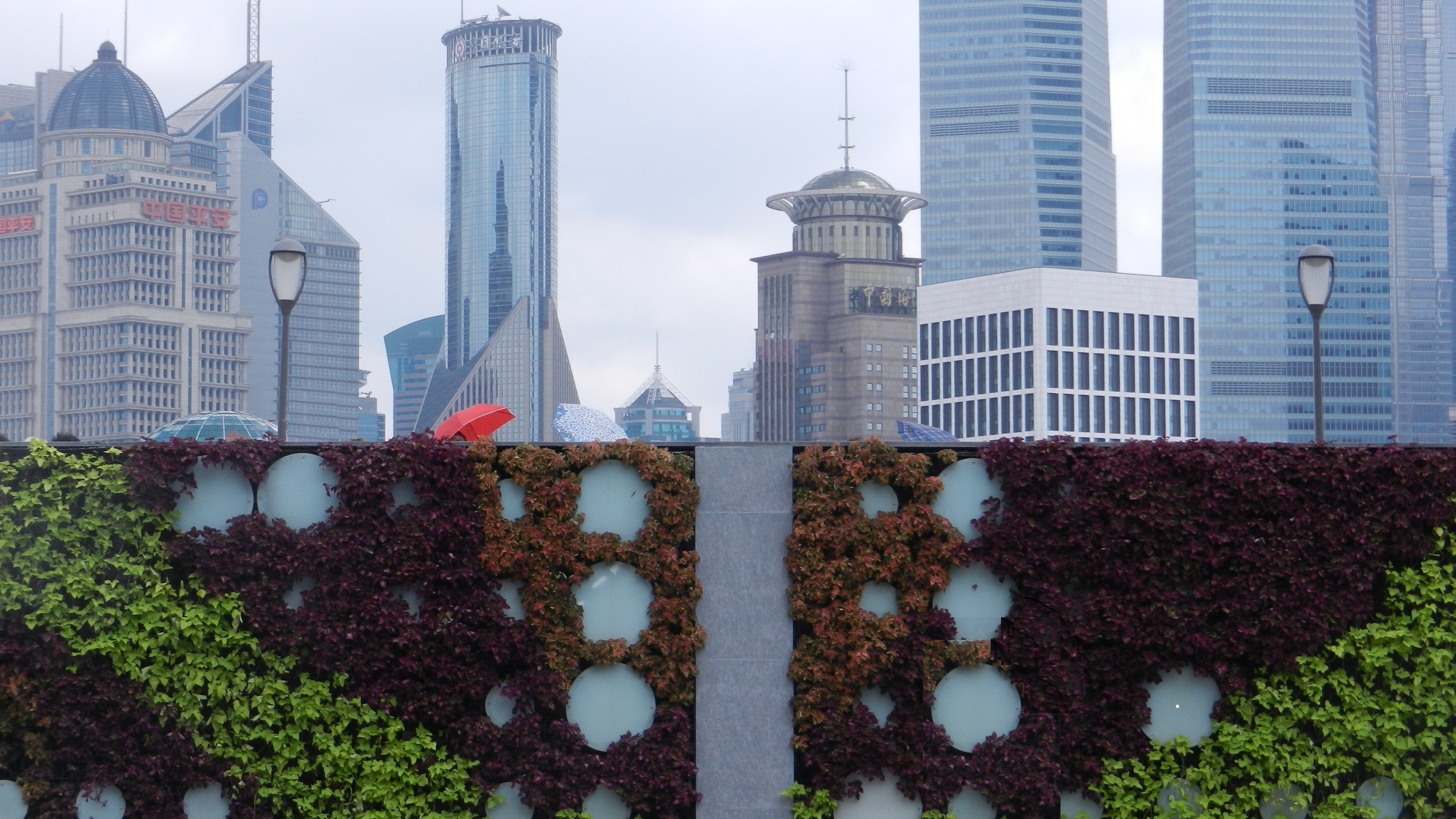
    Any visitor to Shanghai is overwhelmed by its ultimate urbanism. It warms the cockles of every urban heart to enter the city on the Maglev at 330 km per hour, see the multi-tiered flyovers, whiz around the underwater tunnels and watch the industrious Shanghainese going about their business. I mean, where else do hundreds make a living, just taking tourists on a cruise to watch the glittering signs of the corporate megaliths of Shanghai’s iconic skyline ?

    Call a halt and go into the streets under the flyovers, and you are transported back into time and of course, the Bund is history incarnate. Those days of opium wars when drug running made the fortunes of several corporate houses in India, now utterly respectable of course… the Shanghai International Settlement and the French Concession… and the entry of the word ‘shanghaied’ into the English dictionary.

    How apposite that as you look across to the other bank, you see the rising towers of China rampant…perhaps, the world’s largest economy today… Shanghai Bund Interestingly, we were told that because of the single child norm, the gender ratio in Shanghai is so skewed, that the typical, treasured Shanghai girl can pick and choose the husband she likes, one who most fulfils her many demands. And remains a good and faithful husband all his life!

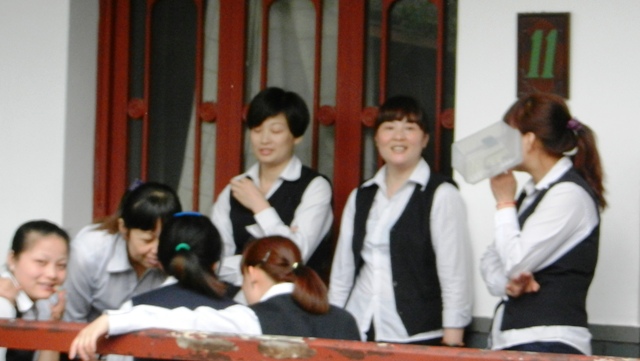
    We did meet a really powerful Shanghai woman who runs a huge business exporting jade jewellery around the world. And when she asked her staff to present all women in our group with a complimentary pendant and insisted on slipping a magnificent jade bangle around my wrist for a ridiculously low price… well I truly felt part of a privileged sisterhood…

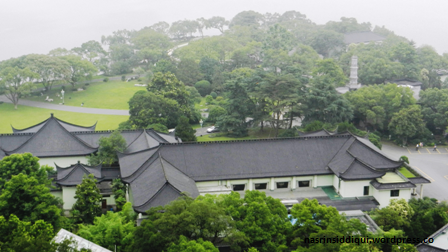
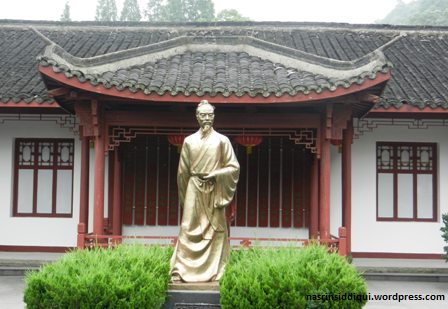
    A day trip from Shanghai takes you to a real gem of a place, missed by most Indian tourists – Hangzhou. We went by bullet train, and unlike Beijing and Shanghai’s airport-like terminals, Hangzhou railway station was simply a cleaner version of any station in India. An ancient capital with the choicest architecture, a beautifully clean lake, and palaces and pagodas all around.

    Hangzhou 2    Hangzhou 6

    Hangzhou 3    Hangzhou 1

    Hangzhou is also the home of the Legendary Longjing tea estates – the queen of all of China’s great teas. And the Longjingshan Tea Cultural Village is the ultimate in photo-ops:

    Hangzhou 4  ???????????????????????????????

    After giving us a tour, and a tea tasting, while we lingered before returning to Shanghai in our humble bus, we noticed a lot of the young ladies who whizzed off, each in her own car – a Merc here, a Porsche there, and the ubiquitous BMWs. And learnt an interesting factoid from our guide. This village has traditionally had a matrilineal society, and all the money is controlled by the women in the family, some of whom are among the richest women in China… Ha ha… One lives and learns…

  • Costs of Corruption

    B-school grads and non-resident Indians get very perturbed each year, when Transparency International publishes its Corruption Perception Index, with India lingering somewhere in the lower reaches, among the poor and corrupt of Africa and Asia. They feel that corruption and bribery dent India’s image abroad and prevent Foreign Direct Investment (FDI) by Multi-National Corporations (MNC), so necessary for its economic growth. (Really? I thought it was more for the economic growth of the MNCs, but never mind…)

    What these advocates of ‘probity’ forget is that the Corruption Perception Index is just that – a set of ‘perceptions’ with all the in-built biases that the word implies. In fact, the 12 contributing organisations are all based in the US or Western Europe and are strong advocates of free market capitalism.

    In 2013, Alex Cobham of the Centre for Global Development in Europe, went so far as to suggest that the CP Index embeds a ‘powerful and misleading elite bias’ in popular perceptions of corruption, and should be discontinued. What could be more biased than the fact that many of the highest scorers appear ‘clean’ simply because they have long ago institutionalised and legalised various forms of corruption – like old-fashioned bribery of politicians made kosher by re-naming it as a campaign fund-raiser!

    Yet, if bribery continues to grow, then there must be someone somewhere profiting from it. At its most basic, a company’s shares are guaranteed to shoot up if it lands a big contract, and as the profit made by its share-holders far exceeds any bribes paid to procure that contract, corruption is justified! Take that to the level of natural resources and infrastructure, and we are really talking big money.

    If like me, you believe that the hand which gives a bribe is as dirty as the one which takes it, it is very enlightening to look at the whole issue from the point of view of the bribe-givers – the large MNCs in a largely globalised world. I came across a very interesting graphic on statista.com, sourced from OECD, which is a kind of league table of industries where bribery flourishes the most. And here it is:

    bribery

    It stands to reason that the most laws and regulations in any country always safeguard an activity or commodity that is of greatest significance to that country, right? And the largest bribes would be demanded where the most laws and regulations need to be bent or broken, isn’t it? No wonder Multinationals are willing to pay the most bribes (OECD estimate 21%) for the extractive sectors like oil, gas and mining of coal, rare earths, uranium, gold or diamonds, because that’s where the largest profit margins are. Stands to reason.

    For global corporates it’s a win-win situation, and only the host country is the loser – its most precious resource is gone forever; the profits have gone to another country; and the taxes thereon to another exchequer. RIP.

    MNCs salve their guilt of profiteering by claiming to create jobs in the host country, but at what cost? The bribe culture lets them get away with paying pitiful wages, running sweatshops, employing child labour, and providing terrible work conditions with minimal regard for worker health and safety. These practices would be unthinkable in the MNC’s home countries, and would probably attract swift legal retribution as well.

    And to add insult to injury, the same MNCs insist that the country they are stripping of its precious and irreplaceable resources should provide the necessary infrastructure and transport for the commodity extracted. And voila! A host of other MNCs step in to provide just that… No wonder construction and transport are the next two sectors in the bribery league table.

    Furthermore, the development of infrastructure comes with strings attached – the host country is offered soft loans by various international bodies, and it is estimated that for every US$1 borrowed, some African countries have had to pay back as much as US$15! It is this debt repayment which has broken the back of half the countries in that region.

    And at the end of the day, what are we left with – swinging 6-lane expressways to and from the larger cities, while 90% of the rural population is lucky to be able to afford a bicycle!

    What intrigued me looking further down the chart, was the inclusion of storage with transportation as a high bribery industry. Until I had a eureka moment. Of course, we are talking about storage and subsequent disposal of e-waste, hazardous materials, radioactive waste, and other nice things.

    For example, the UN’s Step Initiative says that the global volume of electronic waste is expected to grow by 33% in the next four years, and contains toxic substances such as lead, mercury, cadmium, arsenic and flame retardants. Once in landfill, these toxic materials seep out into the environment, contaminating land, water and the air. In addition, devices are often dismantled in primitive conditions. Those who work at these sites suffer frequent bouts of illness, and long-term diseases.

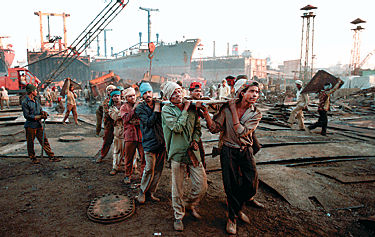
    Evidence of the aftereffects of working with hazardous materials are near at hand in India – in fact in Mr Modi’s home State of Gujarat, at the ship-breaking yard at Alang, considered the largest graveyard for ships, salvaging 50% of the world’s old super-tankers, car ferries, container ships… The workers there have a joke that their fate is from ‘Alang to palang’ (from the Yard to the deathbed)…

    Alang

    A recent study by the Tata Institute of Social Sciences, Mumbai, discovered that the health services are so appalling and inadequate that injured workers have to wait for hours for the government ambulance, or the one provided by the ship breaking association, to get to Bhavnagar, 50 km away. And yet the officials in charge claim to have taken care of workers’ health and safety concerns! Bribery always makes the regulators look the other way…

    I am sure there are thousands of such ‘honest, concerned and vigilant’ officials all over the developing world – because that’s where Western Europe is increasingly dumping its e-waste and hazardous materials, according to Interpol. “Much is falsely classified as ‘used goods’ although in reality it is non-functional. It is often diverted to the black market and disguised as used goods to avoid the costs associated with legitimate recycling,” said an Interpol spokesman to the Guardian newspaper. “A substantial proportion of e-waste exports go to countries outside Europe, including West African countries. Treatment in these countries usually occurs in the informal sector, causing significant environmental pollution and health risks for local populations,” he said.

    So that explains the high rates of bribery in the transport and storage sectors.


    It is nobody’s case that bribery and corruption does not harm a country. It’s just that I would put the onus of this damage more on the greed of the corporates, than on the misguided bribe taker, who is ready to sell out his country and the future of his children.

    It is as though the colonial era never really ended…

  • Political Capture and Growing Disparity

    In the 1960s and 1970s, cold and hot wars were fought to push the idea of benevolent capitalism – believing that creation of wealth at the top of the pyramid would ‘trickle down’ and eradicate extreme poverty across the world. That did not happen.

    Since the 1990s, the mantra of globalisation has been that high rates of economic growth will greatly reduce the incidence of poverty worldwide. That has not happened either.

    In reality, the globalised world economy has deeply fragmented production processes, labour markets, political entities and societies, creating a plethora of interest groups and lobbies which have undermined the integrity of civil society and its rights and entitlements across the world. This is becoming increasingly visible in rich and poor countries in the form of growing disparity between places, people and groups. In particular, it is manifested in much greater income inequalities.

    While a small but economically powerful section are now true global citizens and look outward for direction, the majority survive day to day, with ever reducing options and choices, pushed deeper and deeper into the world they once knew, but which is fast disappearing. The centrifugal forces of the one and the centripetal forces of the other will one day tear society apart. The cracks are already beginning to show – religious extremism, communal strife, growing racism and violence against women, more conspiracy theories and paranoia, more and more right-wing governments… The sorry stuff of headlines every day, everywhere…


    An interconnected global economy has resulted not only in greater corruption and clientelism but also political capture, where the laws of the land increasingly favour the rich over the poor. (See my earlier post: The 3 Cs…)

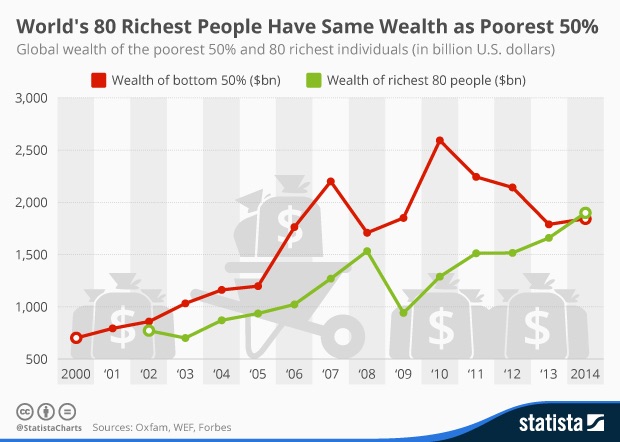
    Oxfam set the cat among the pigeons when it put out the following figures:

    • Almost half of the world’s wealth is now owned by just one percent of the population.
    • The wealth of the one percent richest people in the world amounts to $110 trillion. That’s 65 times the total wealth of the bottom half of the world’s population, which owns the same as the richest 85 people in the world.
    • Seven out of ten people live in countries where economic inequality has increased in the last 30 years.
    • The richest one percent increased their share of income in 24 out of 26 countries, for which Oxfam have data, between 1980 and 2012.
    • In the US, the wealthiest one percent captured 95 percent of post-financial crisis growth since 2009, while the bottom 90 percent became poorer.

    image

    Measuring Disparity

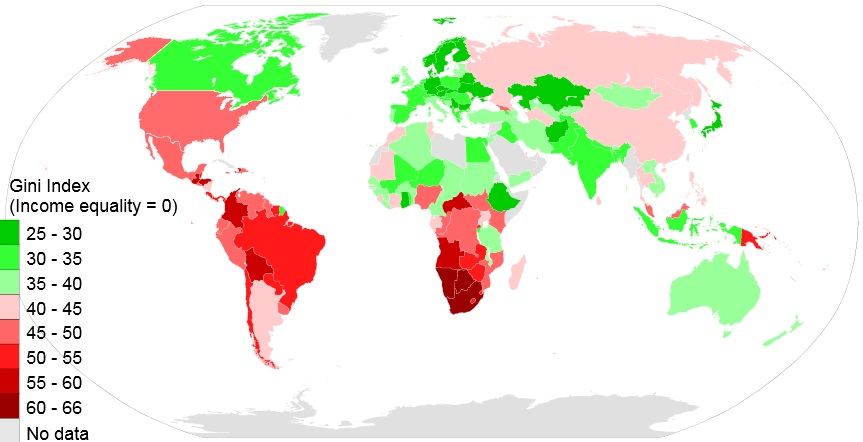
    The Gini Coefficient is a measure of statistical dispersion developed by the Italian statistician and sociologist Corrado Gini and published in 1912. It measures the inequality among values of a frequency distribution, for example levels of income. A Gini Coefficient of zero expresses perfect equality, where all values are the same e.g. where everyone has an exactly equal income; while a Gini coefficient of 1 expresses maximal inequality among values e.g. where only one person has all the income. Some Gini Indices are expressed as percentages, as in the chart below:

    Income_Gini_Coefficient_World_Map

    Looking at a select few countries representative of the global economy, the following picture emerges:

    Gini coefficient

    It is interesting to note that out of the BRICS countries in the above graph, South Africa demonstrates the highest inequality of incomes, perhaps a reflection of its largely natural resource based economy (gold and diamonds), which has traditionally been developed by a rich white minority during the long years of apartheid.

    Brazil too has a long history of military juntas which allowed a class of the super-rich with immense land holdings to flourish. It is only recently, that concerns of the poor have moved centrestage in Brazilian politics, and with the re-election of President Rousseff, are likely to remain there.

    The growing disparity in China is indeed a surprise, especially because it is the last surviving communist regime of any consequence in the world. Perhaps the unnaturally rapid urbanisation and industrialisation in a traditionally agrarian society has allowed individual entrepreneurs to accumulate immense fortunes in a relatively short period of time.

    The majority of the countries in the world have a Gini coefficient between 0.3 and 0.4. In the case of developing countries like India and Egypt, it is a reflection of the growing middle class post-globalisation; while in the case of USA and UK, it is a testament to their relatively secure health and income safety nets, which prevent extreme deprivation and hardship in the population.

    News just in: A Credit Suisse Report says that disparity is growing rapidly in India, with the top 10% now holding 74% of the country’s total wealth, while the bottom 10% hold just 0.2%. The share of the top 1% (nearly half the country’s wealth) has always been lower than the share of the global 1%, but is now growing faster than the rest of the world. Yet Indians make up nearly 20% of the world’s poorest 10%!

    Not surprisingly, Sweden repeatedly tops the charts for both highest Human Development and lowest disparity, clearly demonstrating the inverse relationship between disparity and human well-being.

    Oxfam recommends that governments wishing to reduce the income disparity in their countries as a means of tackling poverty should consider:

    • Cracking down on financial secrecy and tax dodging
    • Redistributive transfers and strengthening of social protection schemes
    • Investment in universal access to healthcare and education
    • Progressive taxation
    • Strengthening wage floors and worker rights
    • Removing the barriers to equal rights and opportunities for women

    Going by the experience and the professed policies of the new government in India, is any of this likely to happen soon? I think not.

    Maybe after 5 years, the most tangible legacy of this government will be an India with a higher Gini coefficient.

    And that may get the voters rethinking the promised ‘good times’…

  • Sustainable Livelihoods

    It is estimated that to break out of the present poverty-pollution-population trap, India needs to create some one hundred million sustainable livelihoods in the next ten years, to cover the backlog, plus a similar number for the new entrants into the job market. With this many jobs created, each family in the country can hope to have at least one member with a reasonably paid job.

    Given the present direction in both the public and corporate sectors, it is expected that not even 10% of this target will be met. With the new Government’s Make in India emphasis on further industrialisation, any jobs created will be in the formal sector and for non-poor households. True, there will be some trickle down through outsourcing, but as this sub-contracting will only be in India’s urban informal sector, it is not likely to provide long-term, sustainable livelihoods, nor build up the coping mechanisms of the poor.

    What do we mean by Sustainable Livelihoods?

    As we have seen in an earlier post, urban poverty is a complex multi-dimensional phenomenon, and therefore the approaches to poverty reduction must also be multi-dimensional. Current thinking in development studies has seen a paradigm shift from top-down planning to participatory micro planning, with the focus on local people and their livelihood strategies. There is also a concerted effort to make people aware of their rights and entitlements, so that priorities are fixed by the people rather than by a faceless bureaucracy.

    One such approach, developed initially for rural areas and now successfully adapted to urban areas is the Sustainable Livelihoods Framework (SLF).

    The SL framework revolves around three assessment criteria:

    Foremost of them is the ASSETS or CAPITAL of the individual or community. Assets may be financial, natural, human, social or physical as detailed later.

    The second criterion is the RIGHTS and ENTITLEMENTS available to the community or individual. These may be traditional, social, moral, legal, or political. Entitlements are things that people may rely upon because of legal or customary rights – like access to common-property resources, employment benefits, right of usufruct on land etc. Entitlements could also include the mutual support structures that are often present in localized communities.

    And the final criterion is how far ACTIVITIES dovetail with assets and entitlements. Activities are things that people do to gain a living, and these will usually be based on available assets. A personal asset, such as artistic ability, may form the basis of activities that generate income. Land may be used to earn income. Activities may be based on acquired knowledge and skills; thus education and training has a prominent position in a sustainable livelihoods framework. Knowledge and skills may also be acquired through traditional, cultural processes.

    Sometimes, a fourth criterion is added to assess how successfully the individual or group can deal with the vulnerabilities and risks of their situation, and how well they can come up with a COPING STRATEGY.

    The SL Framework defines five types of Capital Assets. These are:

    Financial Capital which denotes financial resources like: wages, salaries, pension, savings, access to credit, rent, remittances and so on.

    Physical Capital or basic infrastructure facilities like roads, transport, electricity, water supply, energy, communication, tools and technology for production

    Natural Capital like food security, adequate water supply, minimum air and noise pollution

    Human Capital through skills, knowledge, good health, ability to work

    Social Capital which includes the formal and informal social relationships such as kinship ties, client-patron relationships, networks and organisations that exist in a community

    Under the sustainable livelihood framework it is possible to draw a livelihood polygon for an individual, a group or a community, as illustrated below:
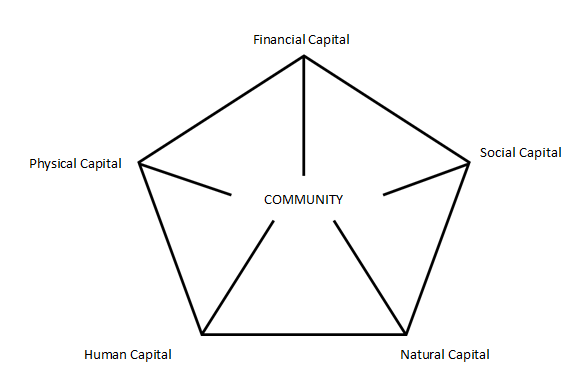
    SL POLYGON

    The relative length of each of the arrows connecting to the corners of the polygon, is an indicator of the adequacy/ inadequacy of a particular type of capital in a particular community. In the above case, if all assets or capitals are adequately developed, we see a larger polygon, thereby providing greater livelihood opportunities, and stronger coping abilities to individuals/communities.

    However, most government programmes tend to focus on just one type of capital/asset, thereby greatly shrinking the options available to the poor. For example, slum upgradation programmes in India concentrate on providing only physical infrastructure like internal roads, storm drains, public water and sanitation, and neglect the growth of human capital through better health and education services. This results in a skewed livelihood polygon with a much smaller area of opportunity  for the individual and community, as shown below:

    SKEWED SL POLYGON

    The SL Framework in Urban Areas

    The Sustainable Livelihoods Framework (SLF) can be used in the urban context to assess the current state of assets/capital in a community, and then plan new poverty reduction strategies based on this assessment. In fact, it is the ideal framework for undertaking a City Poverty Profile. Practical solutions can then be worked out within the available resources to maximise each of the five ASSETS or CAPITALS in the community, so that the livelihood polygon of the community can be suitably expanded. It must be remembered that every decision may affect more than one type of capital, sometimes adversely. The emphasis is therefore on thinking holistically and getting the balance right.

    Thus, FINANCIAL CAPITAL can be greatly augmented through: Providing a place for a cooperative store / fair price shop to be run by the community; starting kitchen gardens; installing metered electricity connections in each household; forming women’s Self Help Groups; setting up labour cooperatives; and providing vocational training geared to local handicrafts / industry.

    NATURAL CAPITAL can be enhanced by easy ‘doables’ like providing a playground for children near their homes, initiating participatory activities for improving community environment and sanitation, and providing the means for rainwater harvesting.

    The growth of HUMAN CAPITAL in a community is a combination of sound health, education, skill development and capacity to work. All countries have numerous human development programmes either initiated by donor agencies, through NGOs, or undertaken by Governments themselves. Some of these which have impacted positively on HD across the world include: regular antenatal and post natal check-ups by community health workers; regular check-ups for HIV/AIDS, STD; Gender budgeting; immunization camps; mobile clinic schemes; improved housing and sanitation; night classes for school dropouts / child labourers; women’s Self Help Groups; nutrition checks on under-5 children on a monthly basis, awareness campaigns against drug addiction, alcoholism, domestic violence; increasing the number of group connections for water supply, adult literacy classes; school attendance / drop outs to be monitored by the community itself; constructing / upgrading community toilets for washing, bathing facilities for women… and many more

    PHYSICAL CAPITAL is already the only focus of slum improvement programmes in India, but remains very narrow in its ambit. It should also look to augment infrastructure that will help enhance other assets like income, health and education by, for example, transforming muddy approach roads to all-weather roads, building / upgrading community health and family planning centres, improving the housing facilities, removing encroachments, providing covered drains and sanitary facilities, etc.

    It is often said that SOCIAL CAPITAL is the only wealth of the poor Indian, given the vast array of caste, clan, ethnic, linguistic, tribal and kinship networks in rural India. These ties, however, are the first casualty, when the rural poor migrate to the cities. However, it is possible through development interventions to build new networks and support systems – the most obvious examples being Self Help Groups, Thrift Societies, and Workers’ Cooperatives. Group activities like literacy drives, mass immunization campaigns, and nutritional assessment camps are also instrumental in cementing community bonds, besides helping with human capital growth.


    So where do we go from here? Experts believe that the answer lies in small scale, decentralised industries of a new kind. The key factor is the application of new technologies to the traditional skill and resource base of the community. For instance, the traditional knowledge of certain tribal communities can be successfully utilised in wildlife tourism, and its conservation and preservation. Similarly, with urban heritage suddenly becoming a priority in India, there is a lot of scope for traditional artisans in restoration and preservation of heritage buildings.

    If the traditional knowledge handed down from generation to generation is not correctly utilised, it will be lost forever, and will have to be rediscovered and relearnt in Universities (as in Europe), thereby becoming an asset not of the poor – its original owners – but the better off.

    Should we sleepwalk through yet another cycle of deprivation, or hear the wake-up call?

    Perhaps, the Kudumbashree Programme of the Kerala Government could point the way to sustainable livelihoods for the entire country. They deserve an entire post to themselves, which I shall hope to put up soon. Meanwhile, time for a diversion don’t you think?
  • Quality of Life in Cities

    When the urban population of the planet crossed 50% in 2007, our world was forever changed. Those who believed in cities as the hallmark of human civilization let off a silent cheer. Others were filled with fear, as they contemplated yet more crowding of already crowded cities; a greater concentration of the world’s poor in these cities; deteriorating urban infrastructure; and a growing threat to the global environment.

    Two sets of figures clearly encapsulate this dichotomy.

    Top 10 Megacities (Population > 10 million) in 2014: Tokyo, Delhi, Seoul, Shanghai, Mumbai, Mexico City, Sao Paulo, Beijing, Lagos, Osaka

    Top 10 on Mercer Quality of Life (QOL) Index 2014: Vienna, Zurich, Auckland, Munich, Vancouver, Düsseldorf, Frankfurt, Geneva, Copenhagen, Sydney

    Comparing the two lists we find that:

    • Not ONE city in the first list is represented in the second.
    • EVERY city in the Mercer list is in the ‘developed’ world and are beneficiaries of the colonial era – either through trade (North and Western Europe); or as settlers where the native population was too weak to defend their land and resources (Canada and Australasia). Furthermore, the developed countries are free from population pressure on their facilities and infrastructure, because fertility rates have been steadily declining, and immigration is strictly regulated.
    • NEARLY 70% of megacities are in the so-called ‘developing world’, with a history of being the victims of colonial rule. Moreover the countries with the most megacities are also the most populous in the world, putting tremendous pressure on services and infrastructure.

    Therefore one may safely conclude that as a city or town grows in size the first casualty is always the Quality of Life enjoyed by its citizens.

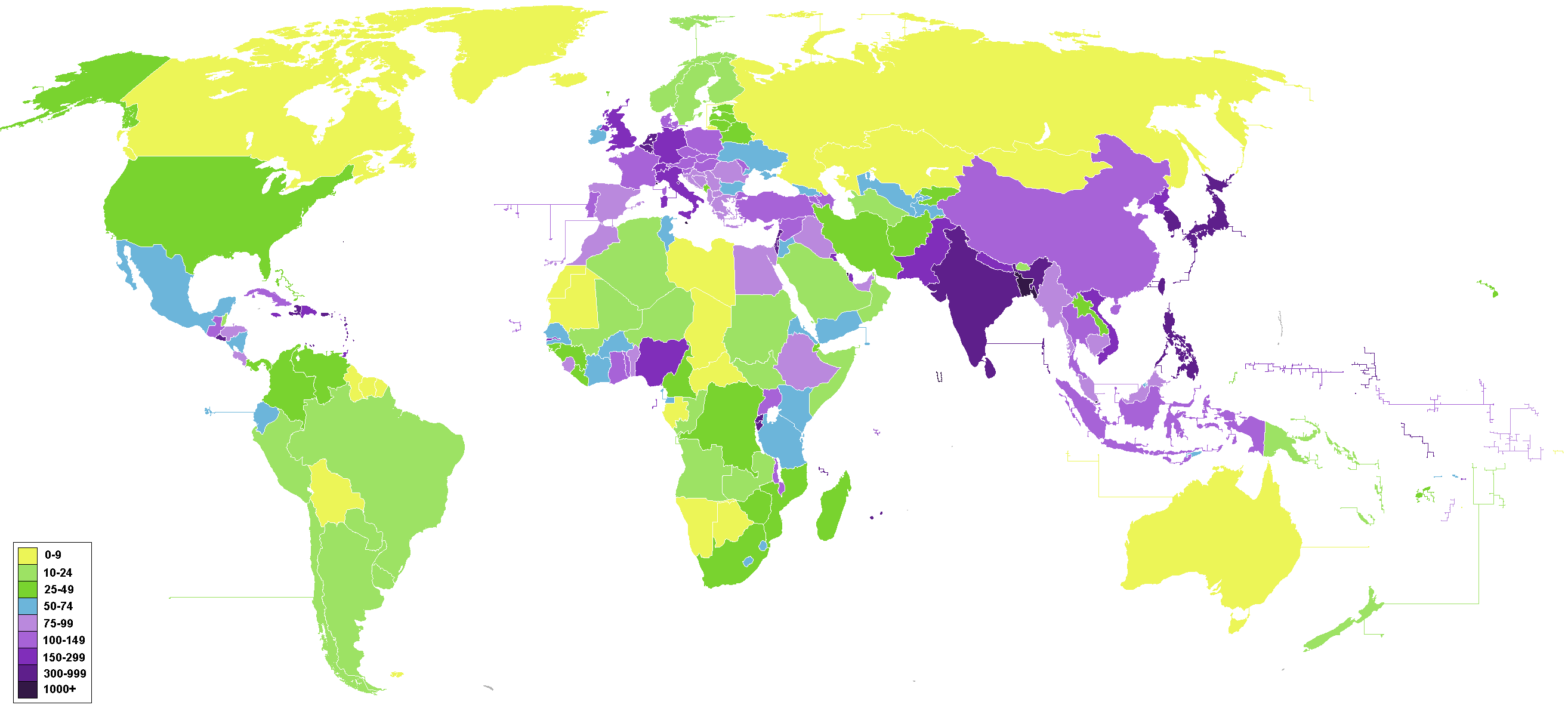
    The map of population density brings this point vividly to life:

    World_population_density_map

    The second largest land mass, Canada, has a total population of 35 million, less than the total population of just one urban agglomeration – Tokyo-Yokohama. Similarly, the population of Australia (which has a much bigger area than India) is almost exactly equal to just one Indian city- the National Capital Region Delhi.

    So with such immense resources at the disposal of such few, is it any wonder that Canadian and Australian cities figure so high in any QOL Index?!

    The inexorable growth of megacities is often due to the migration of the rural poor to towns and cities, leading to the urbanisation of poverty. The increasing heterogeneity of urban populations, brings its own pressures in terms of ethnic and class schisms and has a negative effect on the quality of life and makes the city difficult to govern.

    By inference from the indicators of quality of life, one may go a step further to conclude that as a city grows beyond its natural carrying capacity, it suffers from deteriorating infrastructure and services, leading to disease and deprivation.

    The urbanisation of poverty and the informalisation of the local economy often lead to a spurt in encroachments; slums; and squatter settlements. The political aftermath of this informalisation is a subsidy culture, impractically low user charges, and further impoverishment of local governments.

    … and so are the best planned cities, unplanned.

    As things now stand, it is highly unlikely that any of the 10-million plus population cities will see things improve. The drought-risk map below, issued by the World Resources Institute is a further reminder of the tough times ahead:

    drought-risk World Resources Inst

    What quality of life can we offer to the unborn millions of these parched cities?

    Quality of Life is essentially a subjective measure about how cost effective, convenient, healthy, satisfying and secure life can be in a city. Several organisations publish such lists as a guide for foreign investors and expatriate workers, and the Mercer Index is one of the best known scales in this business. The Mercer study is based on detailed assessments and evaluations of 39 key ‘quality of life’ determinants which include everything from political stability, banking services, law and order; to the availability of health, education, transport and cultural activities.

    We have already seen that cities offering the best quality of life tend to be in the developed half of the world – most usually in Europe and Australasia. So why is this so? We need to look for answers in the history of colonization, urbanisation and industrialization to understand…

    The post-World War II years may have been an era of growth in North America and Western Europe; but this development came at a great cost to the rest of the world. The self-serving trade regime of the rich countries stunted the growth of the poor, and plunged them into a debt trap from which few emerged unscathed. The deterioration of the subsistence rural economies of developing countries brought a further influx of distress migrants to the cities – and so the saga continues: be it Lagos in Nigeria, Kolkata in India, or Sao Paulo in Brazil.

    Meanwhile, heavy manufacturing industry continued to grow, and as the western powers moved their most labour-intensive sectors to the developing world, they created a series of highly polluted, congested and over-industrialised cities from Bangkok to Santiago. Even where MNCs were not welcome in the 60s and 70s (as in India and China), it became impossible to put the industrial genie back in the bottle, and cities like Mumbai, Shanghai, Chennai and Ahmadabad were the result.

    It is no wonder then, that megacities today are witness to growing disparity among the rich and poor; increasing disempowerment of vast swathes of society; and a slow drain of their wealthiest and best educated to friendlier cities abroad.

    … And the global inequity continues.

    While High QOL countries are also high consumers of energy the ill effects of their large ‘Carbon Footprints’ put the entire world at risk through global warming and climate change.

    Sadly, the western world has raised the energy stakes so high by centuries of reckless use that countries like China and India have to fuel their own development at great cost to their own people and the global environment. The major challenge before these two countries is how to balance industry (necessary for job creation) and cleaner environments to enhance the Quality of Life of future generations.

    In its haste to atract foreign and domestic investment in industry, the present Indian Government has shown a total lack of understanding of the environmental issues, despite the havoc wrought on the environment in Gujarat.

    The much touted ‘cleanliness drive’ launched across Indian cities will remain a superficial cosmetic exercise, unless a serious effort is made to balance human well-being with human greed…

    In my next post, I hope to disuss the Sustainable Livelihood Framework in the context of urban poverty.

  • China and India: Our cities, their cities

    Shedding its rural, feudal past with a vengeance, China has officially tipped over – with 51% of its vast population now living in urban areas. This scale of urbanisation is unprecedented in human history and Chinese cities leave visitors awestruck and dumbfounded as they come in via the Maglev transit system, admire the skyline of a new Shanghai, visit its deep-sea harbour after driving over a 36 km sea bridge, or take off on a 1,460 km journey to Beijing by bullet train reaching there in four and a half hours flat!

    There are various enabling factors in China’s formidable infrastructure achievements:

    • Firstly, all urban land is owned and controlled by the local government, and made available for planned development once a plan is approved by the political decision-makers. In India, the urban administrator is not able to achieve even 20% of a 20-year DP because of the hassles in acquisition of private land for public purposes.
    • Secondly, infrastructure is created and developed by specialized technocrats in China, and maintained by retainers of local government; while in India most development bodies are headed by an officer from a generalist service like the IAS, with neither the technical expertise nor the continuity of tenure to see a long-term project through successfully. The indiscriminate entry of the private sector in developing and maintaining infrastructure in India is also considered a mixed blessing, and the leading source of corruption in government.
    • Moreover, resources raised from infrastructure development and urban growth accrue to the local government in China, and this encourages planned urbanization, unlike in India, where metropolitan planning bodies are State parastatals like the MMRDA, enriching the State of Maharashtra by exploiting the land in the city of Mumbai.
    • Planning decisions in China are not only publicised, but put in the public domain through magnificent state-of-the-art audio-visual feasts in their Planning Museums. In India, we have to be satisfied with a statutory ‘call-for-objections’ each time a Development Plan is formulated. There is little or no publicity given to planning decisions: residents of a locality are unaware of what is planned for their neighbourhood; and may wake up one fine morning to discover an abattoir or a crematorium next door!
    • Urbanization itself is greatly controlled in China: While the single-child norm takes care of growth through natural increase; immigration is controlled by the ‘hukou’ or residence permit system, which has built-in incentives like social security, and access to health and education. Anyone without an urban permit is automatically denied these benefits, and although there are squatter settlements in Chinese cities, these are normally at the periphery, unlike India where they dot the entire urban landscape in such profusion, and illegality. Similar controls in India would be deemed unconstitutional.
    • China tackles the problem of urban sprawl by densification, providing high FSI for both residential and commercial buildings (like Tokyo) and negating its worst impact through cheap and efficient public transport systems. Indian cities meanwhile, adhere to outdated and impractical plans for low form urbanisation – another sad legacy of British rule! The resulting urban sprawl and the poor public transport networks make commuting to work a daily hell for millions of people in India’s metros.
    • Like India, China too faces the problem of an informal economy, estimated at around 30%, but there are definite efforts made to formalise it through licensing, controls and provision of workplaces in the formal plan. These issues have remained largely unaddressed in India, leading to 60-68% informalisation of the economy in its metros.
    • Moreover, while manufacturing sector growth in China is incentivized through devices like SEZ’s, India has put most of its economic eggs in the services basket. Thus while the factories in China welcome equally the unskilled, semi-skilled and the highly-skilled worker; India’s IT sector has room only for the highly educated; and the less skilled get inexorably pushed into the growing informal sector.

    Indian urban managers and policy makers have a lot to learn from China:

    • Treat Urbanisation as a force for good, not evil. In 2005, China’s Ministry of Housing and Urban-Rural Development proposed the designation of prime cities as National Central Cities, as a first step in reforming urbanisation in China. These NCCs were described as a group of cities in charge of leading, developing, performing tasks in political, economic, and cultural aspects. Consequently, in February 2010, the ministry issued the “National Urban System Plan” and designated five major cities: Beijing and Tianjin in the Bohai Economic Rim; Shanghai in the Yangtze River Delta, Guangzhou in the Pearl River Delta, and Chongqing in western China. They also included Hong Kong as a Special National Central City. The NCCs’ sphere of influence has a great impact on the surrounding cities in terms of modernising and integrating services, infrastructure, finance, public education, social welfare, sanitation, business licensing and urban planning. The Ministry also makes mention of Regional Central Cities (RCCs) like Shenzhen, Nanjing, Wuhan, Shenyang, Chengdu, and Xi’an. India can learn a lot from this visionary approach to regional planning, and National Central City status will go a long way in revitalising the dying metros of yesteryear, like Kolkata and Mumbai.
    • An empowered Chief Executive is key to Local Economic Development. Visiting Mayors from South America and Europe are welcomed like heroes by local bodies in India. Mainly, because they are seen as vital agents of change and reform. Their Indian counterparts (with a few exceptions) have a largely ceremonial role, and the real executive power in Indian cities is vested in a civil servant, who is a State government permanent employee and has little or no investment in local concerns. Contrast this with the clout and powers of a mayor in a big Chinese city. A visit to the official website of the Mayor of Shanghai is a real eye-opener. In the last few months, the visiting foreign dignitaries who have called upon the Mayor include: the Belgian Ambassador, the Chilean Ambassador, Mayors of Dallas and Fort Worth, the Fijian President, the Governor of Yogyakarta in Indonesia, the Mayor of Colombo, the Vice President of South Sudan, the Russian Ambassador, and the President of Portugal. Now that is some clout, isn’t it?
    • Social planning is inextricably linked to land use planning. Not just China, but the capitalist Mecca of Singapore too indulges in fairly rigid social engineering whereby the government decides on where a family stays, where they dispose their garbage, and where their children go to school. Indian cities have a lot to learn from both these countries about the practical side of governance and making cities work, so that the maximum good of the maximum number is ensured and the yawning chasm between rich and poor is bridged to some extent – even if it means stricter laws and tighter enforcement for everyone.
    • Urban development means the full devolution of powers and resources to local government. In China, the benefits of local development accrue to the local government and so the city of Shanghai, for example, has a stake in building new infrastructure and planning new satellite towns because these will enrich the local government. In India, despite the recommendations of National and State Finance Commissions (under the 74th Constitutional Amendment Act) there has been inadequate devolution of resources to local governments, and where a city is a creator of wealth, these profits are creamed off by both State and Central Governments, while the local government struggles to make ends meet – the most obvious example being Mumbai, the largest single contributor to State and National GDP!
    • Urban planning thinks in centuries not decades. When China launched a massive construction boom, building new cities from scratch, the world was first alarmed, then amused, and is now awaiting the big crash. Because these cities are now ready but have nobody living there! But as Gandhiji rightly said: “First they ignore you, then they laugh at you, then they fight you, and then you win.” So perhaps, China will have the last laugh as they alone realise that projected needs and consequently, urban planning, need a much longer timeline than the mere 20 years so popular in India’s Development Plans. Moreover, it is much cheaper to build a city as a greenfield or brownfield project now than attempting to revitalise a dying city 20 years hence – as we have seen under JNNURM! As and when a city reaches carrying capacity, these new towns are ready to take the overflow. Further, unrealistic house prices (prevailing in Indian metros) have led to ever more slums in Mumbai and Delhi. By providing ready, available and affordable housing in and near existing metros, the Chinese have successfully tackled the problem of decongestion in a long-term time-frame. We should also remember that, unlike the West, relocation within China is a matter of Government policy and enforcement, and not left to the whims of market forces alone.
    • Natural resource management essential to prosperity. Another example of long-term planning is China’s heavy investment in natural resources abroad, to ensure that the factories in its cities don’t come to a standstill for lack of raw materials. For example, when China anticipated a drop in its virtual monopoly of rare earths, it was quick to tie up with Australian mining companies, to retain an upper hand. Rare earths are critical in the manufacture of smart phones, wind turbines and missiles. But what gets the West in a real tizzy is China’s foreign direct investment (FDI) in developing the infrastructure and natural resources of Africa. Interestingly, while the American President (despite his proclaimed African origins!) visited only 2 African countries in his first term, his Chinese counterpart visited 14. No wonder, Africa (long and brutally exploited by the West) is ready to welcome another country which helps its development but does not lay down pre-conditions like reform, nor threatens armed intervention in the name of democracy. Needless to say, such geo-strategic long-term planning in its national interest has evaded India for the last 67 years!
    • Connectivity is the safest route to mainstreaming marginal communities. One would not like to brush China’s problems with its ethnic minorities (like Tibet) under the carpet, but the fact remains that one of the greatest engineering marvels of this century has been the construction of the Beijing-Tibet Railway, against tremendous odds. The Chinese believe that connectivity is the shortest route to mainstreaming and national integration (and also allows for easier control and regulation, of course – which is why the British built railways in India so early on in their colonial rule!) Perhaps we can learn a few lessons from China, especially in mainstreaming the isolated N-E region of India. After all, civil unrest in any part of the country eventually affects the national economy.
    • Good governance also means efficiency and effectiveness. Two universally recognised indicators of good urban governance are efficiency and effectiveness, and it is visible everywhere in China – from the punctuality of the tour guide, to orderly queues in public places, to the unfailingly on-time trains and flights. Or the integrated 8-tiered transport hub at Shanghai International Airport. These are the little things which make city life a little easier, and are slowly disappearing from India’s urban dreamscape. Time to wake up and catch up with the world, India!

    Summarizing, the magic mantra in China seems to be: analyze, assess, plan and provide… 


    Whatever the divergence in their development paths and goals, India and China have a shared destiny as the two largest countries in an interconnected global economy, and they both need to take on board the hazards as well as the benefits of globalisation. Although both countries have taken long strides in developing infrastructure and economic growth, the Quality of Life and Human Development aspects have not received the same attention.

    India’s caste and class-riven society sees the gap between the rich and poor growing every day, as does the education and digital divide in the era of global connectivity. This is mirrored in the widening rural-urban divide in China, and the lack of individual liberties that democracies like India take for granted.

    Therefore, both India and China need to face up to several challenges of successful survival in changing times:

    • Firstly, how to ensure a more equitable distribution of their recent economic growth across caste, class, gender and region, while at the same time making their specialist areas globally competitive
    • Secondly, how to fix the trade-offs between universal human development and specialised infrastructure requirements
    • Thirdly, how to support the unorganised and informal sectors of the economy so that they yield sustainable livelihoods for the poor
    • Fourthly, how to adapt and universalize technology, especially information and communication technologies
    • And finally, how to realise the full potential of their prime resource – their large populations – to gain the edge in global negotiations…
  • China and India: Two roads diverged…

    There is a lot of talk in New Delhi and among the Government’s globe-trotting enthusiasts, about following the China Model for India’s development especially on two fronts: infrastructure development, and the manufacturing sector. However, let us pause a moment:

    If China runs 4 of the 10 fastest trains in the world – there is a reason…

    If just one District in China produces 50% of what the world buys, there is a reason…

    And I admit I am very partial to looking for reasons in the pages of history, rather than among the political rhetoric of an election campaign. So here goes…

    China and India have had somewhat similar histories, with civilizational continuity stretching back thousands of years. Both have had centuries of hierarchical social systems, with a very low status for women. Both suffered at least a century of humiliation at the hands of foreign traders, conquerors and colonizers before breaking free; and both became modern, independent nation-states at roughly the same time – 1949 and 1947. Both countries also suffered the trauma of partition/fragmentation at the time of independence – Taiwan broke away from China, while Hong Kong became a British dominion; and India was cleaved into two with the creation of Pakistan.

    However, it is after emerging as independent nation-states that the trajectory of these two Asian giants completely diverges:

      • While India opted for democracy; China chose the Marxist ‘proletarian’ road
      • While India chose centralized planning and governance as the route to development, China built up from the grassroots, village committee level
      • Political power in India flows from the top downwards, through a series of patron-client relationships; in China it rises from the village, to district, to regional capital to Beijing in the pyramidal structure of the Communist Party
      • As an eminent Indian historian once noted, India alone of all the newly independent colonies had the audacity to launch not one but 5 simultaneous revolutions – agricultural, social, national, industrial and urban. Naturally these varied revolutions could not keep pace with each other and after over six decades, India’s development directions still remain hazy. China meanwhile had no such ambiguities when it launched its Cultural Revolution, with the sole aim of tearing apart the fabric of the old feudal society and weaving it anew into a more modern, rationalist, pragmatic, egalitarian and secular pattern.

    It is ironic indeed that at the height of its Cold War with the Soviet Union, the West could only denounce and rant at the ‘excesses’ of this Cultural Revolution, and did not see in these excesses the seed of China’s future success – which the same West now admires so much. But as any neutral observer will tell you, perhaps it is these very ‘excesses’ which have made the Chinese miracle possible today.

    So what exactly were these transgressions?

    At the risk of being facetious, one can summarise them under the 4 Ls:

    Love: The most obvious excess was interference in the personal and family life of the population by enforcing restrictions (unique in human history) culminating in 1979, in the single-child norm.

    Land: The collectivization of all rural land, with ‘possessory rights of usufruct’ for 30 years; and the acquisition of all urban land by government (with a lease of 70 years to developers) were also considered as ‘excessive’ especially by the erstwhile feudal landlords.

    Lord: The outlawing of feudal lords on the one hand, and the abolition of religions loyal to a higher ‘Lord’ on the other, were quite repugnant to the rest of the world, and found to be violative of human rights and basic freedom of religion – never mind that the West was equally callous about the rights and freedoms of communists and atheists in their midst.

    Learning: This was the most far-reaching ‘excess’ of the Cultural Revolution, as schools of higher learning were closed and there was a deliberate process of dismantling the Western-educated elite. Intellectuals were put to the most demeaning physical labour in the countryside and told to adapt their knowledge to serving the peasants. These reforms also meant the end of the privileged civil service – after all, the word for bureaucrats everywhere comes from the Chinese word ‘mandarin’. It also cleared the decks for a complete revamping of the higher education system and its indigenisation to meet China’s immediate development needs.

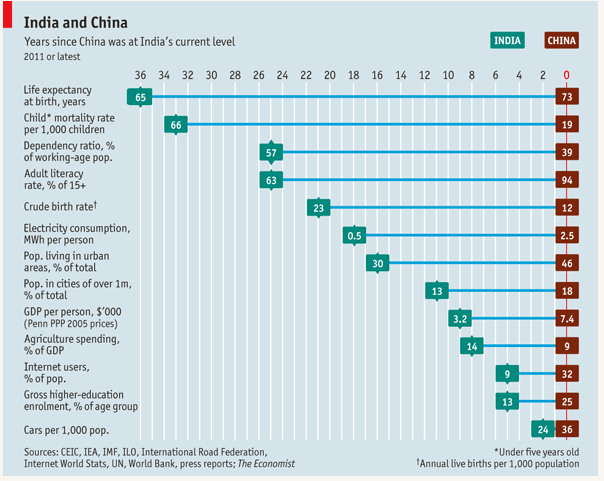
    As argued above, the Cultural Revolution put China on a path to development, while India was still floundering and experimenting amidst priorities that changed every five years – in the name of democracy. China’s focussed single-mindedness and its willingness to sacrifice today for prosperity tomorrow, set against India’s vacillations and contradictions are succinctly summarised in the chart below, showing the time lag between China’s achievement of a human development goal, and the number of years it did so ahead of India. (Courtesy: The Economist)

    India China

    For example, a child’s odds of surviving past their fifth birthday are as bad in India today as they were in China in the 1970s. Similarly, India’s income per head was about $3,200 in 2009 (holding purchasing power constant across time and between countries). China reached that level of development nine years earlier. This does not necessarily imply that India in 9 years’ time will be as rich as China is today. That is because China grew faster in the last nine years than India is likely to grow over the next nine.

    Let us now look at the ways in which China’s excesses of the 1960s, became the keystone of its successes in a globalised world, once Deng Xiaoping opened its doors to the world:

    • The Single Child Norm has helped to stabilise China’s population growth while India is all set to overtake it in the next few decades. This stabilisation has greatly increased opportunities for the individual, leading to greater equity. Moreover, it has at one stroke halved the incidence of poverty and thus broken the vicious cycle of deprivation in a single generation, while India continues to struggle with endemic and chronic poverty.
    • The collectivisation of rural land has made agriculture more productive through economies of scale, and provided rural livelihoods that are more sustainable, because a collective has better coping strategies in a crisis than an individual or a household. The lack of individual land ownership also makes rural society more egalitarian and less exploitative; and rural politics more participatory. In India, the absence of redistributive justice in land ownership is now acknowledged as the major cause of the insurgency in its predominantly tribal areas.
    • Similarly, the urban land in China is entirely owned by the Government, and this has allowed proper urban planning, redevelopment, infrastructure development and affordable housing, whereas in India, no Development Plan gets more than 20% implemented because of the difficulties of land acquisition, and the inevitable litigation through India’s tortuous judicial system.
    • According to some estimates, over 70% of Chinese are listed as being atheist or agnostic, while the remaining follow Shenism-Taoism, Buddhism, Islam and Christianity. Aspirants to the membership of the Communist Party have to affirm their atheism if they wish to progress in their political careers. The most obvious fall-out of this policy has been the true secularisation of Chinese society, with formerly religious practices being reduced to general public holidays, and State and religion being kept strictly apart. This too contributes to the pervasive egalitarianism in Chinese society. It also means that there are no constraints like caste on the opportunities available to Chinese students, whereas caste and related affirmative action programmes continue to remain a political tinderbox in India.
    • The benefits of the Chinese Revolution are most visible in the way the country raises and educates its children. The first major reform was the standardisation of the written language (Mandarin-Beijing dialect) across the country. Then, there was universal literacy and mass education, and eventually with a new higher education system geared to the country’s development needs, we see massive vocationalisation with an emphasis on technology in higher education.
    • Today, there are no less than 4 Chinese and 4 Hong Kong based institutes/universities in the Asian Top-25, and not a single one from India. Higher Education in China has rapidly adapted to the global trend of internationalism, duly followed by indigenisation of the knowledge gained. This means that the Chinese technocratic class is now geared to move from re-engineering western technology to innovation in its own right, and are encouraged through government investment to set up businesses in China itself. Contrast this with India, where IITs and IIMs, funded entirely by the humble Indian taxpayer, compete with each other in how many alumni they have been able to place in foreign companies – preferably in the USA!
    • Another programme recently launched is the teaching of English in all urban schools from the first grade itself. Furthermore, by opting to invest heavily in manufacturing industry, China has found a place for its unskilled, semi-skilled, skilled, and highly skilled workers, all in the same business matrix. Whereas, by opting for hi-tech services such as IT, India can provide the best opportunities only to its best and most educated workers, further fuelling the social and digital divide in the country.

    Therefore, we may safely conclude, that today’s China was born after a long and hard gestation, with thousands of lives lost and all the blood and thunder of revolution. They re-invented themselves. So must India – development is not a matter of simple ‘copy and paste’.

    In my next post, I shall be focussing on urbanisation in China and lessons therefrom, for urban planners and managers in India.

  • Day of Judgment…

    It was a beautiful summer day when we docked at Al Aqsar (City of Palaces) or Luxor as it is better known, after our Nile cruise. Some of us thought of seeing the town taking a leisurely ride on a horse carriage (or tonga). And as our 15 year old ‘driver’ Muhammad, took us into the labyrinthine bazaar, I swear we could have been in any North Indian city, surrounded by little shops selling colourful dresses and hookahs – the air redolent with the perfume of eastern spices. Ummm, magical!

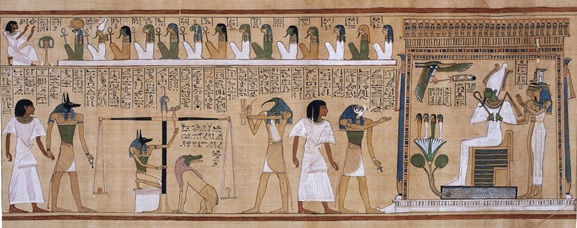
    Eventually Muhammad took us to this huge shop which sold everything from Egyptian cotton, to statuettes of Anubis (probably made in China) to a whole section of the most amazing papyri. The shop keeper explained that it was a training school for papyrus painters, and we would not get such intricate, hand-crafted specimens at that price (pretty steep) anywhere in Cairo or Alexandria. So along with a beautiful ‘convention of the goddesses’ (which I call the Ladies’ Club) I picked up something which caught my eye, because it had this electric blue background – not the natural cream – and seemed to be telling a story, and looked quite grand and different. And here it is:

    My hunefer

    But I couldn’t get away from the feeling that it was a famous piece of art… so imagine my pleasure and surprise when I came across the original trawling through (what else) the British Museum website. And this is their original.

    Hunefer BM

    It has the following explication: the Papyrus is from the Book of the Dead, belonging to Hunefer, who was “Scribe of Divine Offerings”, “Overseer of Royal Cattle”, and steward of Pharaoh Seti I, in the 19th Dynasty. (1290-1279 B C).

    The scene depicts the ‘Judgment of Hunefer’ and reads from left to right. To the left, Anubis brings Hunefer into the judgment area. Anubis is also shown supervising the judgment scales. Hunefer’s heart, represented as a pot, is being weighed against a feather, the symbol of Maat, the established order of things, in this context meaning ‘what is right’. The ancient Egyptians believed that the heart was the seat of the emotions, the intellect and the character, and thus represented the good or bad aspects of a person’s life. If the heart did not balance with the feather, then the dead person was condemned to non-existence, and consumption by the ferocious ‘devourer’, the strange beast shown here which is part-crocodile, part-lion, and part-hippopotamus.

    However, after passing the test successfully, Hunefer is shown to the right, brought into the presence of Osiris by his son Horus, having become ‘true of voice’ or ‘justified’. This was a standard epithet applied to dead individuals in their texts. Osiris is shown seated under a canopy, with his sisters Isis and Nephthys. At the top, Hunefer is shown adoring a row of deities who supervise the judgment.

    Which left me thinking… Just how much of an influence was the ancient Egyptian religion on the Abrahamic religions?

    Judaism has a day of judgment once a year… Catholics have a particular and general Day of Judgment…  as do the Orthodox Churches and Protestantism… Islam has a final Day of Judgment… Even the Bahai’s ( a fairly recent break-off from Shi’ite Islam) believe in judgment every millennium or so, whenever a new prophet declares himself. Both the Ancient Egyptians and their Abrahamic successors apparently looked on a final reckoning in the afterlife as a means of assuring good behaviour and accountability in this one.

    Despite these similarities, however, the one thing that the Egyptians could not and would not accept was the common denominator of these latter day faiths viz. monotheism – because without a God-Pharaoh on the throne and the very powerful priests behind that throne, the entire socio-economic- political fabric of that very hierarchical society would crumble.

    Which is why they practically wiped out their Pharaoh Akhenaten and his wife Queen Nefertiti from the pages of history for the crime of declaring that there was only one God – the Sun God Ra.

    Makes you wonder whether all religion is eventually about only one thing – POWER … and ways to justify why a chosen few have the monopoly of power in any society…

  • Dimensions of Urban Poverty

    For the new government in India, poverty is the proverbial elephant in the living room.

    Poverty in the tribal areas and the resulting unrest is brushed off as a law and order problem; rural poverty is hidden well away from the public consciousness by the pliant and adoring media… But what cannot be hidden from visiting dignitaries and potential foreign investors, is the urban poverty, so blatantly on display in all of India’s metros. It is argued that if these slum-dwellers can afford TV sets and mobile phones, they aren’t actually poor. Problem solved. Q.E.D.

    This myopic view stems from the 1960s mindset that the poor are poor because they have no income, but development theory has since moved on…

    It is now widely accepted that poverty everywhere, but especially urban poverty, is no longer a question of lack of income or insufficient calorie intake. It has broadened to include several areas of deprivation such as inadequate and unsafe housing, insecure workplaces, debilitating environments, insufficient social services, lack of opportunity for education and formal employment, increased vulnerability to natural and man-made disasters, and consequent disempowerment, and even disenfranchisement, of vast swathes of urban society.

    Unlike rural areas, where lack of assets and incomes is still a reasonably good measure of poverty, the complexities of providing adequate shelter and workplaces has added several dimensions to urban poverty – chiefly, deprivations of income, health, education, security and empowerment. The urbanisation of poverty, which has unpredictable, irreversible and long-term social, cultural, psychological, behavioural and political effects, has also brought to the forefront its multidimensional nature. Let us look at these dimensions in some detail…

    Income Dimension: Poverty of income may have its genesis in a macro-economic crisis, which in a developing country could be triggered by a couple of failed monsoons, a border conflict, internal unrest, weak governments, communal strife, poor fiscal policies, or global events like a sharp rise in the price of petroleum goods. In such a crisis, real incomes fall at every level, and naturally, those at the bottom of the income pyramid are worst affected.

    Secondly, a country may have very stringent planning and zoning laws prohibiting small enterprises in certain areas. In India, most Municipal bodies also regulate a number of private activities like trades, professions, house building, land use, markets, entertainment and transport. These additional controls involve lengthy bureaucratic procedures, which the poor simply cannot cope with, and they get pushed further into the informal sector, as a result.

    Finally, in most developing countries – like India – the local government depends entirely on taxes generated from the wealthy (property owners and traders) and therefore they are under great pressure to set their development priorities according to the needs of their ‘paying customers’. Consequently, in budget after budget, road expansion and maintenance get priority over public transport; large hospitals over primary health care; and because the wealthy have other options for educating their children, municipal schools remain understaffed and ill-equipped. This has an immediate and long term impact on the life chances of the poor, and their income generating abilities.

    Income poverty is characterised by dependence on cash for purchase of goods and services; employment insecurity; casual work/ labour/ unskilled wage labour; lack of skills to get well-paid jobs; and trade-off between distances to jobs and cost of housing.

    Health Dimension: The biggest factor that makes health a dimension of urban poverty is inadequate, congested and unsanitary housing, and unsafe places of work. Land and housing regulations can make proper housing unaffordable, and the poor often end up living in dangerous places like near the roads or railway tracks, or on disaster-prone riverbanks or hillsides, or near polluted areas like garbage tips or toxic waste dumps, where they salvage and scavenge to eke out a living. This is as true of Manila or Bangkok, as of Mumbai. The hazards are further aggravated by the inadequate physical and social infrastructure and services provided in poor neighbourhoods, whether it is water and sewerage, solid waste disposal, drainage, or vector control.

    Poverty itself is debilitating in several ways – in fact its effects begin in the womb. A poor, malnourished and anaemic mother is more likely to give birth to an underweight child, who may suffer from birth defects and chronic disorders which greatly reduce its chances of survival beyond infancy. Such a child is also more vulnerable to preventable diseases like polio because it may fall outside the formal immunisation efforts of Government. If the child survives, an inadequate supply of food and water will haunt its growing years and undermine its natural resistance to the health hazards that the urban environment will throw at him or her.

    Lastly, the poorest countries have the most polluted cities in the world, posing an ever increasing danger to the health of its citizenry. Increased respiratory mortality, decreased lung function, aggravated asthmatic problems, higher blood pressures, increased cardiac risks and cancers, cough, drowsiness, and eye irritation, have been identified as some of the health hazards emanating from polluting vehicles. It is estimated that more than 250,000 deaths are already attributable in Indian cities to such pollution.

    Education Dimension: Lack of adequate education translates into lack of opportunity, making it that much more difficult for the urban poor to break the cycle of poverty from one generation to the next. The inadequacy of schools in poor neighbourhoods is just one aspect. Most poor families need to put their children to work to augment family income – this is especially the case if the family breadwinner is incapacitated for some reason. Child Labour is a curse that’s unlikely to vanish from Indian workplaces any time soon. Even those parents desiring to educate their children and with access to neighbourhood schools, may be unable to afford additional school expenses like transport costs and extra coaching, especially in larger cities.

    Security Dimension of Poverty: The strongest feelings of insecurity engendered in the urban poor arise because in most cases they have no security of tenure on the already inadequate places they live and work in. In most countries, insecurity of tenure arises from retrograde land laws and planning practices – usually a colonial legacy, whether in India or Africa, or Latin America.

    Even if one does not go far enough to impute an anti-poor bias, the fact remains that Indian planners have simply not been trained to plan for the poor. When such attempts have been made in the past, they made no impact because planning is a holistic process, and area-based initiatives like slum improvement do not tackle poverty in its multiple dimensions. Thus, we have building laws and criteria that make safe housing too expensive and unaffordable for the poor; our zoning laws prohibit hawking, small businesses and small shopping in most areas; our development control rules (which prevent the densification of Indian cities) have made urban land unrealistically expensive and unaffordable, and any poor settlement coming into existence, immediately violates half a dozen rules and regulations.

    So if a family has no rights of tenure and may not even know where it will rest the night, how are the children going to register in schools and get an education? How will the parents earn a livelihood? How will the family draw the rations to feed itself? And where will the sick find succour?

    Empowerment Dimension: As immortalised by Dostoevsky, Dickens and Hugo, poverty is above all, synonymous with helplessness, reduced options, and loss of control over one’s life and decisions. This is disempowerment at its most basic. The deliberate disempowerment of the urban poor allows them to cast their vote in every election, but curtails their rights and responsibilities as citizens. The poor get the short end of the stick, and this is especially the case in a hierarchically rigid society like India. As a result, the urban poor often live in isolation from the social and economic activity of the city, and are denied the vital information they need to survive – such as their legal rights to services, and availability of jobs etc.


    Since independence, India has witnessed several development initiatives to address rural poverty, and despite their sluggish pace, they have succeeded to a large extent in at least providing food security to the poor. However, by failing to see the multi-dimensional nature of urban poverty, we have been stuck with sporadic slum redevelopment programmes with a few basic amenities provided here and there.

    Poverty is a historical, social, economic and political problem. Therefore there can be no simple engineering solutions to poverty.

    Perhaps, there are other ways in which the elephant can get moving. The new Government should seriously consider:

    • Ending the rural-urban bifurcation
    • Tertiarising the rural economy to stem distress migration to cities
    • Assuring food security for all: rural and urban
    • Providing a place of business that is legitimate, affordable and secure
    • Moving towards urban housing that is formal, affordable and secure
    • Putting in place a representational system for all assets, liabilities, and inventories
    • Augmenting access to institutional finance for all, not just rich industrialists
    • Vigorously enforcing the Right to Education
    • Giving easy and universal access to immunisation and health care
    • Guaranteeing public goods and services on the basis of equity and inclusion
    • Putting in place a social security net to cope with the unexpected

    This way, we may eventually succeed in providing sustainable livelihoods for all citizens – a concept I hope to look at in detail in a future post…

  • Understanding Poverty

    The world now understands poverty basically as a lack, or inadequacy, of:

    • Food security
    • Secure Shelter/ Address
    • Access to basic services
    • Sound Health
    • Education
    • Choice and Voice
    • Personal security

    Not knowing where your next meal is coming from is termed as absolute poverty; and a paucity of basic necessities like shelter is known as relative poverty.

    Globally, there has been an evolution of approaches to dealing with poverty, down the years:

    1960s: Governments looked at macroeconomic criteria like GNP. In those halcyon days of optimism, it was believed that with redistributive justice, global poverty could be eradicated

    1970s: With the quadrupling of oil prices after the 1973 Arab-Israeli conflict, and the Vietnam war fiasco of 1975, all optimism went out the window, and governments were happy just to broaden the concept of income-poverty to a wider set of ‘basic needs’ and the lack of access to health, education and other services

    1980s: Also called the lost decade of development, saw the emergence of ideas like sustainable development and the feminisation of poverty, and policy makers waxed poetic, adding powerlessness, isolation, and vulnerability to the poverty matrix

    1990s: Saw the emergence of the capability approach, and the UNDP Human Development Reports focused not on what people do or do not have, but on what they can or cannot do .

    The Human Development Index measures the average achievements in a country in three basic dimensions:

    • A long and healthy life, as measured by life expectancy at birth
    • Knowledge and education, as measured by the adult literacy rate and the combined primary, secondary, and tertiary gross enrolment ratio
    • A decent standard of living, as measured by the natural logarithm of gross domestic product (GDP) per capita at purchasing power parity (PPP) in US$.

    2000s: Through the Millennium Development Goals, the United Nations set specific targets for countries to achieve, and have brought about noticeable reductions in poverty in many countries. These goals are:

    1. Eradicate extreme poverty and hunger
    2. Achieve universal primary education
    3. Promote gender equality and empower women
    4. Reduce child mortality
    5. Improve maternal health
    6. Combat HIV/AIDS, malaria and other diseases
    7. Ensure environmental sustainability
    8. Global partnership for developmentThe global scenario for poverty makes very depressing reading:

    2010s: In the second decade of the new millennium, the chickens of liberalisation, privatisation and globalisation are coming home to roost. Poverty did not reduce as much as expected, because countries were chasing economic growth and international trade at the cost of their obligations to the poor. In fact, during this decade, social divisions became more marked, compounded by the digital and knowledge divide, so evident in a country like India.

    As a result, the current scenario looks rather depressing:

    • Almost half the world — over three billion people — live on less than $2.50 a day.
    • At least 80% of humanity lives on less than $10 a day
    • More than 80% of the world’s population lives in countries where income differentials are widening
    • The poorest 40% of the world’s population accounts for 5% of global income. The richest 20% accounts for three-quarters of world income
    • A conservative estimate for 2010 finds that at least a third of all private financial wealth, and nearly half of all offshore wealth, is now owned by world’s richest 91,000 people – just 0.001% of the world’s population. The next 51% of all wealth is owned by the next 8.4 million — just 0.14% of the world’s population.
    • For every $1 in aid a developing country receives, over $25 is spent on debt repayment.

    The situation in a developing country like India, is no better:

    • India is estimated to have one third or 33% of the world’s poor. It is estimated that 8 Indian states have more poor people than 26 poorest African nations combined, which totals to more than 410 million poor in the poorest African countries.
    • The latest UNICEF data shows that one in three malnourished children worldwide, are found in India, whilst 42% of the nation’s children under five years of age, are underweight. It also shows that a total of 58% of children under five surveyed, were stunted.
    • The 2011 Global Hunger Index (GHI) Report places India amongst the three countries where the GHI between 1996 and 2011 went up from 22.9 to 23.7, while 78 out of the 81 developing countries studied, including Pakistan, Nepal, Bangladesh, Vietnam, Kenya, Nigeria, Myanmar, Uganda, Zimbabwe and Malawi, succeeded in improving hunger conditions.
    • An estimated 421 million of the poor are concentrated in eight North Indian and East Indian states of Bihar, Chhattisgarh, Jharkhand, Madhya Pradesh, Orissa, Rajasthan, Uttar Pradesh and West Bengal.

    There are many reasons for the endemic poverty in India, such as: pre-colonial and post-colonial exploitation; caste and gender discrimination; failure to develop secondary and tertiary sectors of the rural economy; lack of redistributive justice for the landless; poor physical infrastructure; low quality social infrastructure; a sluggish, low-capacity bureaucracy that tends to be reactive rather than proactive; and poor design and implementation of anti-poverty programmes like IRDP, JRY, NRY, SGSY, SJSRY, which are top-down, based on the axiom of ‘one-size-fits-all’ and fail because they do not take local socio-cultural variations into account.

    Where local variations have been encouraged, they have achieved tremendous success – like the women’s self-help groups of Kudumbashree in Kerala. But then, women in Kerala have always wielded more economic and social power than anywhere else in India. Perhaps men’s workers’ collectives and thrift societies will be equally successful in the traditionally patriarchal northern States.

    In my next post, I hope to look specifically at urban poverty and its many dimensions…